
 Mogappair West, Chennai-600037.
 info@luxeautodetailing.in
 +91 94452 94453



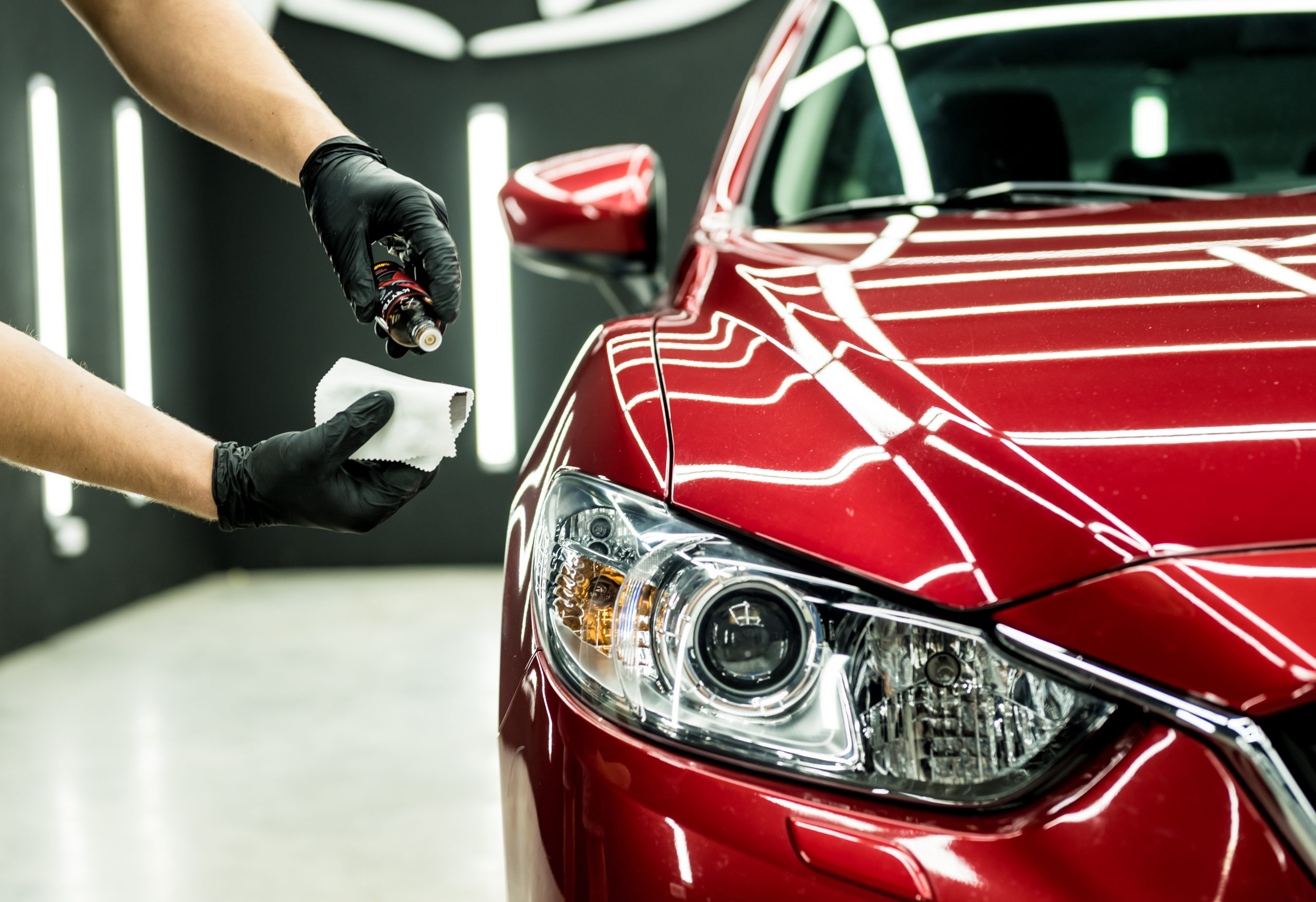
Ceramic vs Graphene Coating: What Truly Protects Your Car in Indian Driving Conditions?
Car owners today are spoiled for choice when it comes to paint protection. Ceramic coating, graphene coating, nano coating, 9H, 10H — the terminology alone can be confusing. While marketing claims often sound impressive, choosing the right protection depends on how your car is actually used and the conditions it faces every day.
Understanding Ceramic Coating
Ceramic coating is a liquid polymer applied to a vehicle’s exterior that chemically bonds with factory paint. Once cured, it forms a hard, hydrophobic layer that repels water, dust, and contaminants.
Benefits of Ceramic Coating:
Enhances gloss and paint depth
Makes washing easier due to hydrophobic properties
Protects against UV damage and oxidation
Reduces swirl marks caused by regular washing
Ceramic coatings are ideal for owners who want improved appearance and easier maintenance without altering the car’s original paint.
Limitations:
Limited heat resistance in extreme temperatures
Does not protect against stone chips or deep scratches
Requires proper maintenance to retain effectiveness Longer lifespan with proper care
Graphene coatings are particularly effective for vehicles exposed to harsh sun, heavy traffic pollution, and frequent highway use.
Which Is Right for Indian Conditions?
Indian roads present a unique mix of challenges: heat, dust, rain, traffic congestion, and inconsistent road surfaces.
Daily city-driven cars: Ceramic coating offers excellent value and protection.
Luxury or dark-colored cars: Graphene coating provides better heat management and gloss retention.
Enthusiast-owned vehicles: Graphene coating offers superior long-term performance.
The right choice is not about trends, but about usage, expectations, and maintenance discipline.